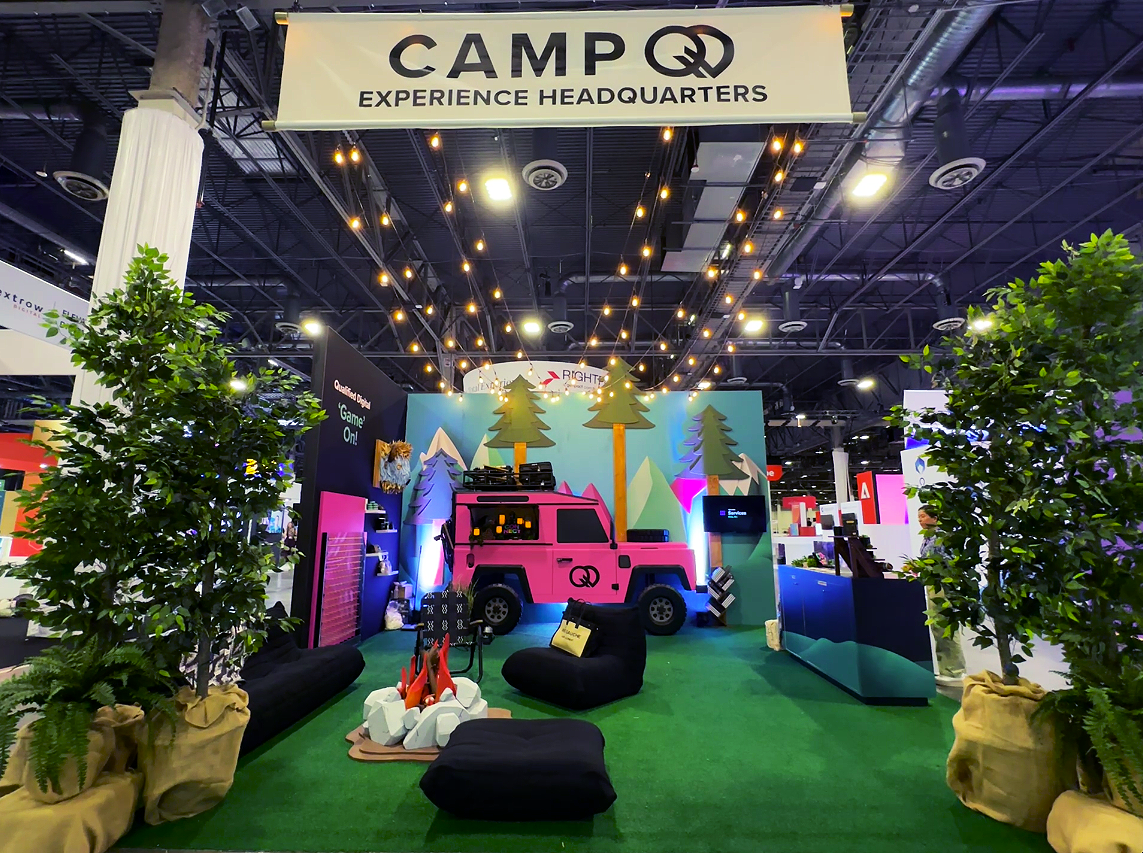
Essential Planning Pillars for Tampa Sponsorship Activations
- Venue capacity matching to sponsor footprint, such as allocating zones within 200,000-square-foot exhibit halls for up to 1,000 booths.
- Utility infrastructure utilization, including electric, water, and compressed-air provisions for interactive tech and demo features.
- Labor coordination in Florida's right-to-work environment, confirming house services and exhibitor manual rules early.
- Multi-venue cluster strategies across downtown waterfront, Westshore airport belt, and east Tampa fairgrounds corridor.
- Integration with hospitality assets like 800-room resorts for post-show receptions and entertainment tie-ins.
- Scalable space configurations from 5,000-square-foot indoor halls to 87,000-square-foot outdoor areas for experiential variety.
- Performance tracking setups compatible with show-floor cafes, offices, and breakout transitions.
Strategic Venue Selection for Activation Scale
Selecting the right Tampa venue sets the foundation for sponsorship activations that match brand objectives with physical capabilities, starting with the Tampa Convention Center's 600,000 square feet of total meeting space, where the 200,000-square-foot exhibit hall supports expansive sponsor environments accommodating up to 1,000 standard 10'x10' booths, allowing for clustered activation zones that include high-engagement features like gamified interaction pods or branded charging stations reliant on the hall's electric and compressed-air hook-ups. This waterfront facility's 30-foot ceiling heights enable overhead rigging for immersive lighting and projections, while on-floor amenities such as two show offices and four cafes facilitate sponsor team operations during peak attendee flows.
For activations demanding flexibility across indoor and outdoor formats, the Florida State Fairgrounds offers a spectrum of venues including the Expo Hall, TECO Arena, Entertainment Hall, equestrian rings, and expansive outdoor spaces up to 87,000 square feet, ideal for weather-resilient experiential marketing that incorporates live demonstrations or vehicle displays without the constraints of urban load-in restrictions. Planners must engage the fairgrounds' event rentals process upfront to secure these areas, coordinating transitions between spaces for hybrid activations that blend hall-based tech exhibits with arena-style crowd draws.
In east Tampa's logistics corridor, the Seminole Hard Rock Hotel & Casino complements core activations with its AAA Four Diamond hospitality infrastructure, featuring 800 guestrooms, multiple pools, a spa, and extensive dining options adjacent to 245,000 square feet of gaming space, enabling smooth extensions into sponsor-hosted networking receptions or VIP buyouts that amplify daytime show-floor impacts.
Operational Logistics in Key Tampa Facilities
At the Tampa Convention Center, sponsorship activation logistics hinge on confirming utility provisions early, as the exhibit hall's electric, water, and compressed-air hook-ups directly support operational needs for activations involving refrigerated product sampling, hydraulic demo platforms, or digital interactivity, all within a layout that transitions smoothly to 36,000-square-foot ballrooms for sponsor keynotes seating up to 3,600 in theater configuration or 2,080 for banquets. Venue-managed house services necessitate alignment with the official service contractor per the exhibitor manual, ensuring that custom elements like modular activation pods arrive pre-assembled to minimize on-site adjustments amid high-volume booth densities.
Florida State Fairgrounds activations benefit from the venue's promoter portal and dedicated rentals workflow, where spaces like the 87,000-square-foot largest hall allow for drive-in access to large-scale installations such as branded pop-up structures or outdoor LED facades, with equestrian rings offering unique backdrops for niche sponsor themes like adventure or equine-tied promotions, provided catering and venue FAQs are consulted for integrated service flows.
Downtown cultural venues enhance activation portfolios; the Straz Center for the Performing Arts serves as a hub for entertainment-infused sponsor events near the convention core, supporting galas and receptions that tie into Broadway tours or music performances, while the Tampa Museum of Art's galleries provide sophisticated settings for executive dinners amid Greek, Roman, and contemporary exhibits, both requiring precise timing to dovetail with primary show schedules.
- Pre-event RFP alignment via Visit Tampa Bay's meetings hub for multi-venue blocks.
- Load-in sequencing around airport-adjacent Westshore hotels for Rocky Point overflows.
- East-side fairgrounds positioning for consumer-facing activations with casino hospitality crossovers.
Labor and Service Coordination Framework
Florida's right-to-work status under the state constitution establishes an open-market labor baseline for Tampa sponsorship activations, allowing exhibitors to source staffing flexibly while respecting venue-specific house services like those at the Tampa Convention Center, where on-floor utilities and cafes imply coordinated operational support that must be verified through the show organizer's guidelines to avoid conflicts during booth builds or activation runtimes. This environment supports diverse roles from tech specialists manning interactive kiosks to hospitality ambassadors in sponsor lounges, with final conditions dictated by the event manual and official contractor.
At multi-hall complexes like the Florida State Fairgrounds, the public navigation through Event Rentals, Venues, and Catering sections underscores a structured planning approach, where activations spanning Expo Hall demos to outdoor entertainment require pre-approvals for labor deployment, ensuring that right-to-work flexibility translates to efficient setups without presuming unrestricted access.
Hotel and resort properties such as Saddlebrook, north of Tampa with over 95,000 square feet of event space, maintain public focus on planning support rather than rigid labor rules, positioning them for activation extensions like wellness-themed sponsor experiences tied to spa amenities, always pending confirmation of exhibitor labor allowances.
Activation Design Tailored to Venue Clusters
Tampa's downtown convention core, encompassing Water Street, Channel District, Harbour Island, and Ybor City, optimizes waterfront activations at the Tampa Convention Center by integrating sponsor zones with riverfront views and hotel room blocks, where 200,000-square-foot hall capacities enable linear or island configurations for traffic-flow optimized experiences, leveraging 30-foot ceilings for vertical branding that stands out in 1,000-booth environments.
The Westshore, Rocky Point, and South Tampa airport belt suits mid-scale activations with quick-access logistics, aligning sponsor hospitality at area conferences with transitions to downtown programs, while east Tampa's Brandon-Riverview corridor at the fairgrounds and Seminole Hard Rock excels in high-energy, consumer-oriented setups, using 87,000-square-foot halls for spectacle-driven interactions and casino nightlife for evening extensions.
Hyde Park, SoHo, and Davis Islands add upscale residential flavor for boutique activations, coordinating with core venues to create networked experiences across clusters, emphasizing early facilities search via Visit Tampa Bay to map RFP responses.
- Core cluster: Waterfront utility-rich halls for tech-heavy activations.
- Airport belt: Overflow scalability for sales-kickoff sponsors.
- Fairgrounds corridor: Large-format experiential freedom.
Integrating Hospitality and Cultural Elements
Sponsorship activations gain depth by weaving in Tampa's hospitality anchors, such as the Seminole Hard Rock Hotel & Casino's 800 guestrooms and gaming expanse for post-activation debriefs or VIP gaming tournaments branded to sponsor themes, creating full-day engagement arcs from convention hall demos to evening entertainment without leaving the east-side ecosystem.
The Straz Center's role as Tampa Bay's performing arts nexus facilitates cultural activations like sponsor-backed performances or receptions in spaces designed for opera, dance, and theater, proximate to the convention center for frictionless attendee shuttles, enhancing perceived value through entertainment adjacency.
Similarly, the Tampa Museum of Art's downtown antiquities and modern collections host refined activations such as wine tastings amid sculptures or donor-style networking, leveraging its convention-core location for hybrid programs that blend exhibit-floor energy with sophisticated offsites.
Performance Optimization and Transition Tactics
Successful Tampa sponsorship activations incorporate metrics collection from the outset, positioning data-capture tech within utility-supported zones at the Tampa Convention Center's hall, where four cafes and show offices provide natural dwell points for lead-gen kiosks amid 3,600-theater transitions to breakout sessions.
Fairgrounds versatility allows activation pivots from daytime Expo Hall traffic to evening TECO Arena spotlights, with outdoor scales accommodating weather-adaptive elements like branded tents, all coordinated through venue portals to sync with catering timelines.
Across clusters, right-to-work labor enables agile adjustments, ensuring activations adapt to real-time attendee patterns while adhering to house service protocols.
- Utility mapping for RFID and analytics hardware.
- Cluster shuttles for multi-site attendee flow.
- Post-event debriefs at resort hospitality hubs.
Frequently Asked Questions on Tampa Sponsorship Activations
Q: What makes the Tampa Convention Center ideal for sponsorship activations?
Its 600,000-square-foot total space includes a 200,000-square-foot exhibit hall for 1,000 booths, with electric, water, compressed-air hook-ups, 30-foot ceilings, and capacities for 3,600 in theater setup, supporting complex interactive zones.
Q: How does Florida's labor environment affect activation planning?
As a right-to-work state, it provides open-market flexibility, but activations require coordination with venue house services, official contractors, and exhibitor manuals for utilities and staffing.
Q: Can activations span multiple Tampa venue clusters?
Yes, strategies link downtown convention core with Westshore airport hotels and east fairgrounds, using Visit Tampa Bay's facilities search for integrated RFP planning across waterfront, airport, and expo corridors.
Q: What role do cultural venues play in activations?
Straz Center and Tampa Museum of Art offer entertainment and reception spaces near the convention center, ideal for sponsor galas, keynotes, and upscale networking extensions.
Q: How to handle logistics at Florida State Fairgrounds?
Engage Event Rentals for venues from 5,000 to 87,000 square feet across halls, arena, and outdoors, confirming workflows for load-ins, catering, and promoter portals.
Q: Are utilities standard for sponsor tech needs?
Tampa Convention Center provides electric, water, and compressed-air in the hall; confirm specifics via organizer for other sites to power displays and demos.