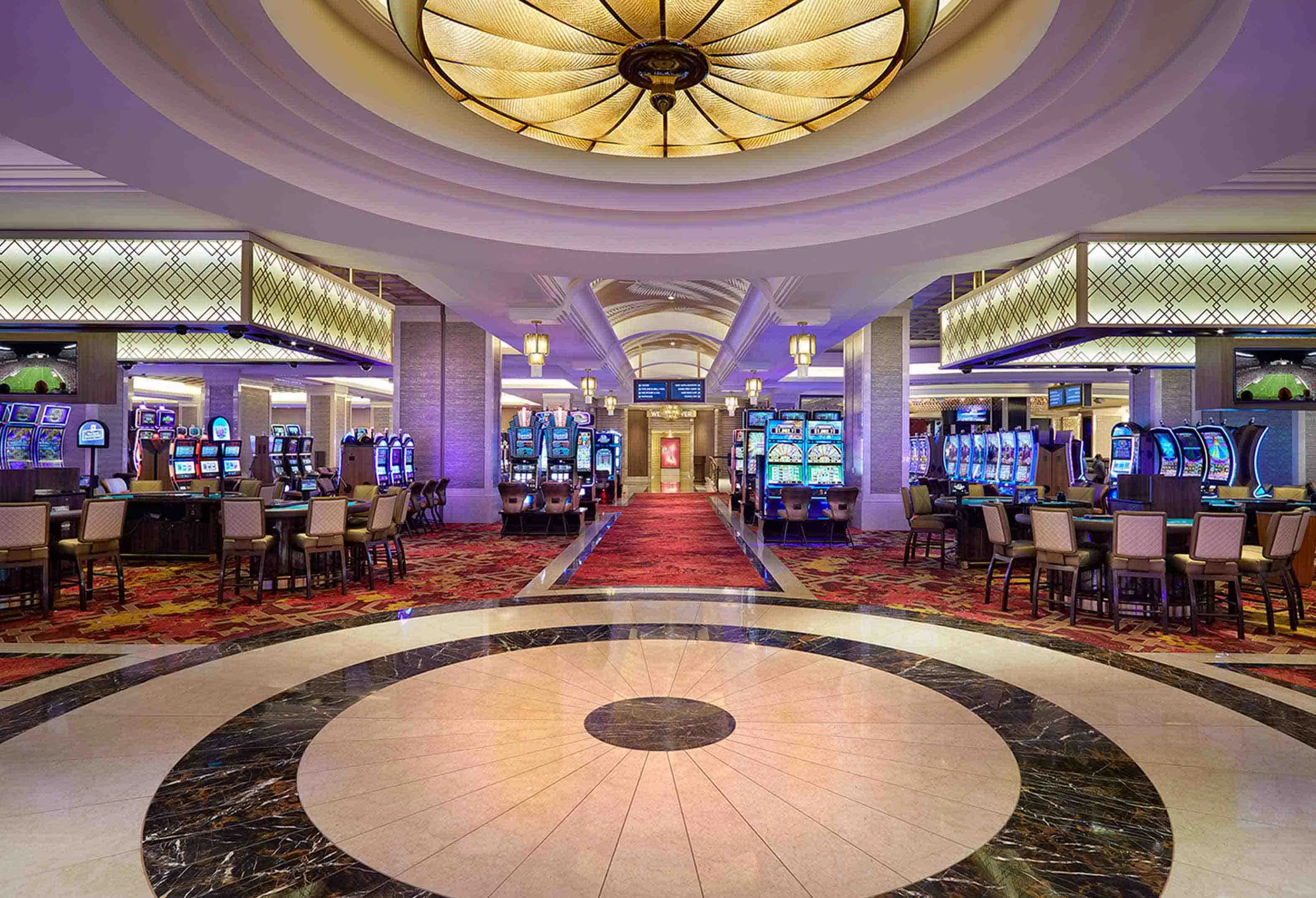
Key Coordination Priorities for Seminole Hard Rock Hotel & Casino Tampa
- Aligning activations with AAA Four Diamond resort standards and gaming floor adjacencies
- Coordinating material flow within the East Tampa casino district logistics profile
- Designing sophisticated exhibits that transition between conference sessions and hospitality zones
- Early confirmation of space assignments and resort amenity integration points
- Accounting for Florida right-to-work labor conditions and organizer-specific rules
- Leveraging the 800-room inventory for targeted room drops and sponsor hospitality
- Balancing entertainment energy with professional branding objectives
East Tampa Casino District Context and Venue Role
The Seminole Hard Rock Hotel & Casino Tampa anchors a segment of the East Tampa corridor that pairs casino hospitality with proximity to the Florida State Fairgrounds and Brandon-area hotel product. This cluster serves programs requiring both large-format expo capacity and adjacent overnight accommodations with entertainment options. Unlike the downtown waterfront convention core or the Westshore airport conference belt, East Tampa emphasizes logistics access for fairgrounds-adjacent events while offering nightlife and gaming that extend attendee dwell time. Planners frequently route overflow or hospitality components to the resort, creating demand for coordinated activations that connect fairgrounds programming with resort-based networking.
At 5223 Orient Road, the property’s scale supports conference-adjacent functions where exhibitors and sponsors activate spaces near restaurants, pool decks, or pre-function areas rather than within dedicated exhibit halls. The 245,000 square feet of gaming space introduces additional considerations for traffic flow, sound management, and visual harmony between brand environments and the casino atmosphere. Coordination therefore begins with mapping attendee journeys from sleeping rooms through meeting spaces and into entertainment zones, ensuring exhibit elements reinforce rather than compete with the resort’s primary operations.
District differentiation matters because East Tampa programs often involve hybrid attendee profiles—trade professionals during daytime sessions and leisure or gaming guests during evening hours. Exhibit strategies must account for this shift by incorporating durable, modular components that can be reconfigured or secured during non-program hours. Resource allocation should prioritize early dialogue with event organizers to clarify which public areas or buyout spaces are available and what restrictions apply to branding, lighting, and audio elements.
Understanding this positioning allows exhibitors to develop programs that capitalize on the resort’s hospitality strengths while maintaining operational efficiency. The casino district location also influences delivery timelines, as material routes differ from those serving the Channel District or Rocky Point properties.
- Proximity to Florida State Fairgrounds supports combined expo and hospitality calendars
- Gaming and nightlife amenities extend engagement windows beyond standard session times
- East-side traffic patterns require advance mapping of load-in and setup windows
- Resort focus favors sponsor activations over large-scale booth grids
Resort Amenities and Their Influence on Activation Design
With 800 guestrooms and suites, three pools, a spa, and diverse dining outlets, the Seminole Hard Rock Hotel & Casino Tampa supplies a rich amenity backdrop that exhibitors can reference when designing integrated activations. Rather than standalone exhibits, successful programs often embed brand presence within hospitality functions—poolside receptions, spa-adjacent lounges, or restaurant buyouts—creating experiential touchpoints that align with the AAA Four Diamond service level. Designs must therefore prioritize refined aesthetics, compact footprints, and materials that withstand resort traffic while conveying premium positioning.
The 245,000 square feet of gaming space presents both opportunity and constraint. Activations near gaming entrances or corridors can capture high foot traffic, yet they require noise control, lighting discipline, and thematic compatibility to avoid clashing with the casino environment. Planners benefit from mapping these adjacencies during initial site reviews so that graphic scale, interactive elements, and staffing plans complement rather than distract from primary gaming operations. Coordination with the venue and organizer ensures that any proposed activation receives necessary approvals regarding placement and duration.
Pool and spa areas introduce additional variables such as weather resilience for outdoor-adjacent elements and humidity considerations for technology components. Exhibits destined for these zones typically favor lightweight, quick-assembly systems that can be deployed during specific time blocks and removed to restore guest access. The overall amenity mix encourages creative sponsorship packages that combine physical brand spaces with room drops or dining credits, extending reach across the 800-room inventory without requiring permanent installations.
Effective design begins with the resort’s operational rhythm. By studying typical attendee flow from sleeping rooms to pools, restaurants, and gaming floors, exhibitors can position messaging and experiences at natural decision points. This approach yields higher engagement than generic booth layouts transplanted from convention-center environments.
Custom Exhibit Approaches for Casino-Resort Environments
Exhibit solutions for the Seminole Hard Rock Hotel & Casino Tampa favor modular, sophisticated systems that adapt to varied activation footprints rather than fixed grid layouts. Because the property emphasizes hospitality and entertainment alongside meetings, designs often incorporate lounge-style seating, interactive digital components, and subtle branding that resonates with an upscale resort audience. Materials are selected for visual warmth and durability suitable for both daytime conference use and evening networking functions.
Lighting and graphic scale receive particular attention given the casino’s ambient environment. Backlit elements or oversized signage must be calibrated to avoid interference with gaming floor aesthetics, while still delivering brand visibility from multiple angles. Many successful activations at similar properties utilize semi-private pods or experiential stations that invite small-group conversations, aligning with the resort’s focus on personalized hospitality. These configurations support product demonstrations, sampling, or educational content without dominating shared spaces.
Storage and security also shape design decisions. With limited dedicated storage noted in many resort venues, exhibits that collapse into compact crates or integrate with existing furniture reduce logistical burden. Technology integrations—such as tablet-based lead capture or QR-enabled content—should include contingency plans for connectivity and power access, confirmed in advance with the organizer rather than assumed available in all areas.
The goal remains smooth integration. When exhibits reflect the AAA Four Diamond environment through clean lines, quality finishes, and restrained branding, they enhance perceived event value and encourage attendee interaction across both professional and leisure segments of the program.
- Modular components allow reconfiguration between daytime sessions and evening events
- Refined materials and lighting maintain consistency with luxury resort standards
- Interactive stations outperform static displays in hospitality-driven settings
- Compact storage solutions address limited on-site warehousing realities
Logistics and Load-In Realities in the East Tampa District
Material delivery to the Seminole Hard Rock Hotel & Casino Tampa follows patterns typical of East Tampa casino and fairgrounds properties, where dock access and freight elevators serve multiple functions including guest operations. Advance scheduling with the organizer and venue becomes essential to secure appropriate time windows and avoid conflicts with gaming or hotel activity. Carriers should receive clear instructions regarding the Orient Road address and any resort-specific check-in procedures for exhibit freight.
The district’s position east of downtown and away from the airport corridor means travel times from major freight hubs vary, particularly during peak fairgrounds event periods. Planning buffers of one to two additional days helps mitigate variables such as traffic on major east-west routes or heightened security around casino deliveries. Once on property, movement from receiving areas to activation zones requires coordination to minimize disruption to guest pathways near pools, restaurants, or the gaming floor.
Drayage and storage considerations differ from those at the Tampa Convention Center or Saddlebrook Resort. Exhibitors benefit from consolidating shipments and utilizing reusable packaging that can be removed promptly after setup. Return logistics follow similar protocols, with emphasis on complete removal by deadlines established in the event manual to restore resort functionality.
Throughout the process, documentation and labeling aligned with organizer instructions reduce delays. Because the property functions primarily as a hotel and casino, exhibit freight is often treated as an extension of event services rather than standard hotel cargo, reinforcing the need for precise pre-event communication.
Florida Right-to-Work Labor Environment and On-Site Protocols
Florida’s status as a right-to-work state creates an open-market labor baseline at many venues, including casino-resort properties such as the Seminole Hard Rock Hotel & Casino Tampa. This framework allows flexibility in installation and dismantle activities, yet final conditions remain governed by the specific event’s exhibitor manual, the official service contractor if appointed, and venue house rules. Early review of all documentation ensures compliance and prevents last-minute adjustments to staffing plans.
Coordination with show organizers takes precedence over assumptions about labor categories. Many programs at East Tampa venues combine house services for utilities and rigging with exhibitor-appointed contractors for specialized exhibit components. Confirming these divisions well in advance allows accurate budgeting and scheduling. The absence of a statewide union mandate does not eliminate venue-specific requirements for safety, certifications, or supervision that may apply to electrical, audio-visual, or structural work.
Best practice involves building buffer time into installation schedules to accommodate potential shared use of docks or elevators with other resort functions. Supervision ratios, break schedules, and overtime thresholds should be verified against the event’s published guidelines rather than generalized market assumptions. This disciplined approach supports smooth execution while respecting the operational priorities of a 24-hour gaming and hospitality property.
Post-event dismantle follows parallel coordination. Timely breakdown and removal protect both the exhibitor’s assets and the resort’s ability to resume normal guest services without delay. Documenting all labor activities against the organizer’s timeline provides a reference for future events at the property or within the East Tampa cluster.
- Right-to-work status supports open-market labor options subject to event rules
- Organizer manuals define house versus exhibitor-appointed contractor scopes
- Advance confirmation of supervision and certification needs prevents disruptions
- Shared dock access with hotel operations requires precise scheduling
Integrated Hospitality and Sponsor Engagement Strategies
The resort’s combination of 800 guestrooms, spa, pools, restaurants, and gaming floors enables sponsor programs that extend beyond traditional exhibit hours. Effective strategies link physical activations with hospitality elements—such as branded poolside experiences, sponsored dining events, or gaming floor adjacency promotions—to create multi-touchpoint journeys. This integration increases perceived value and encourages deeper attendee interaction compared with isolated booth presence.
Room block utilization offers additional channels. Sponsors can coordinate with planners to include branded collateral in key rooms or host invitation-only receptions that flow from meeting spaces into resort amenities. When these elements are planned in tandem with exhibit design, the overall program gains cohesion. Success depends on aligning all components with the event organizer’s calendar and the resort’s availability for private functions.
Measurement frameworks should capture both quantitative metrics, such as lead volume or session attendance, and qualitative feedback on the resort environment’s impact on brand perception. Because the AAA Four Diamond setting raises expectations for service and experience quality, activations that deliver smooth execution tend to generate stronger recall and follow-up rates.
Long-term planning for repeat programs at the Seminole Hard Rock or nearby East Tampa venues benefits from archiving lessons around traffic flow, labor coordination, and amenity integration. These insights allow progressive refinement of exhibit approaches as the market’s conference calendar evolves.
Timeline Development and Organizer Coordination Best Practices
Successful events at the Seminole Hard Rock Hotel & Casino Tampa begin with timeline development that accounts for resort lead times on space approvals, catering coordination, and amenity reservations. Initial contact with the event organizer should occur months in advance to secure preferred activation locations and confirm technical requirements for any proposed interactive elements. This early engagement also surfaces any union or labor stipulations particular to the specific conference.
Mid-cycle milestones include finalizing exhibit designs, submitting renderings for review, and arranging freight forwarding with clear labeling per the manual. Final pre-event confirmation calls verify load-in windows, electrical needs, and staffing access. Because the property balances gaming, hotel, and event operations, last-minute changes can prove difficult to accommodate.
Post-event debriefs with the organizer provide data on actual versus projected attendance, traffic patterns near activations, and any logistical friction points. These observations inform future planning and help refine district-level understanding of East Tampa casino-resort events versus those held at the convention center or Westshore properties.
Throughout the cycle, maintaining a single point of contact for exhibit-related questions streamlines communication and reduces risk of misaligned expectations between exhibitor, organizer, and venue teams.
- Secure space approvals and renderings review four to six months prior
- Align freight schedules with confirmed load-in windows and resort operations
- Document all approvals and changes for post-event analysis
- Use organizer manuals as the primary reference for rules and deadlines
Common Questions on Exhibit Planning at Seminole Hard Rock Hotel & Casino Tampa
Q: What are the primary strengths of hosting activations at the Seminole Hard Rock Hotel & Casino Tampa?
The AAA Four Diamond resort provides 800 guestrooms and suites, three pools, a spa, restaurants, and 245,000 square feet of gaming space that support integrated hospitality and sponsor entertainment alongside conference sessions. Its East Tampa location complements fairgrounds programming while offering distinct nightlife and leisure options.
Q: How does the East Tampa casino district differ from downtown or Westshore venues for exhibit coordination?
East Tampa emphasizes casino hospitality, proximity to the Florida State Fairgrounds, and logistics suited to combined expo and resort events. Traffic patterns, dock access, and attendee mix differ from the waterfront convention core or airport-adjacent Westshore cluster, requiring tailored planning for material movement and activation placement.
Q: What labor considerations apply when installing exhibits at this property?
Florida operates as a right-to-work state, creating an open-market labor environment. Actual conditions depend on the event organizer’s manual, any appointed service contractor, and venue-specific protocols. Early review of all documentation ensures compliance with supervision, safety, and scheduling rules.
Q: What types of exhibit designs perform best in a casino-resort setting?
Modular, refined systems that support lounge-style interactions and integrate with hospitality zones tend to succeed. Designs should respect ambient lighting and sound levels near gaming areas while maintaining brand coherence across daytime sessions and evening entertainment functions.
Q: When should planning begin for an event at the Seminole Hard Rock Hotel & Casino Tampa?
Initial coordination with the organizer four to six months ahead allows time for space approvals, design reviews, freight scheduling, and confirmation of labor and technical requirements. Buffers for East Tampa logistics and resort operational reviews improve execution reliability.
Q: How can sponsors maximize engagement using the resort’s amenities?
Linking physical activations with poolside receptions, sponsored dining, or strategic room block elements creates multi-touchpoint experiences. Alignment with the 800-room inventory and gaming floor adjacencies extends reach while maintaining consistency with the AAA Four Diamond service environment.