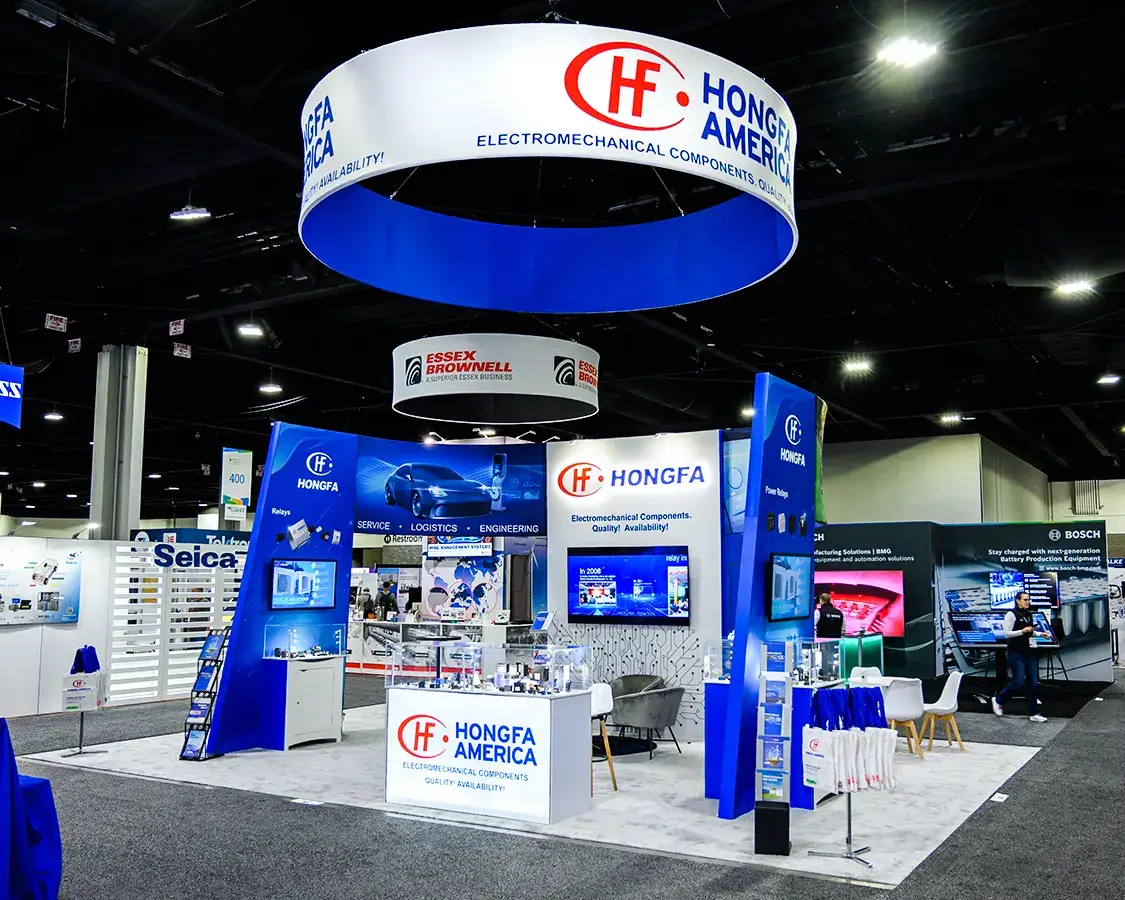
Essential Planning Priorities for Automotive Booths
- Confirm exhibit hall utility hook-ups for high-power vehicle lighting and demo equipment at Tampa Convention Center.
- Evaluate drive-on capabilities and space scaling at Florida State Fairgrounds for full vehicle displays.
- Coordinate labor scopes with venue and show organizer given Florida's right-to-work framework.
- Map load-in logistics from Westshore airport area or east-side fairgrounds corridors.
- Integrate off-floor activations at Straz Center or Tampa Museum of Art for VIP previews.
- Secure early exhibitor manual review for booth weight limits and rigging approvals.
- Plan transitions between exhibit halls and ballrooms for hybrid automotive conferences.
Venue Capacities Tailored to Automotive Needs
The Tampa Convention Center's 200,000-square-foot exhibit hall stands as a cornerstone for automotive trade shows, designed to host up to 1,000 booths while providing essential infrastructure like electric outlets, water lines, and compressed-air connections that directly support the operational demands of displaying sedans, SUVs, or performance parts with integrated lighting, hydraulic lifts, or pressurized tool demos. Planners coordinating these events must assess the hall's 30-foot ceiling height and 36,000-square-foot largest contiguous space for overhead truss installations showcasing tire innovations or aerodynamic prototypes, ensuring that booth footprints align with the facility's modular grid system to maximize attendee flow around interactive zones. Waterfront positioning influences load-in sequencing, where trucks navigate Channelside docks before transitioning to hall elevators or level freight doors, a process that demands precise timing to avoid conflicts with concurrent meetings in the 600,000 square feet of surrounding event space.
Florida State Fairgrounds expands automotive possibilities with its array of venues from the compact 5,000-square-foot areas to the expansive 87,000-square-foot options, enabling configurations for everything from boutique custom-car showcases to sprawling aftermarket expos with live tuning stations or off-road vehicle pits. The TECO Arena and Entertainment Hall configurations prioritize ground-level access for rolling stock, while equestrian rings adapt for outdoor test drives under controlled conditions, all routed through the venue's Event Rentals process that mandates detailed floor plans accounting for vehicle egress paths and temporary fencing. This campus's position in east Tampa facilitates heavier logistics from I-4 corridors, contrasting downtown constraints and allowing extended setup windows for welding fixtures or paint booth enclosures compliant with fairgrounds fire safety protocols.
- Tampa Convention Center exhibit hall: 200,000 sq ft, 1,000-booth capacity.
- Florida State Fairgrounds: Venues from 5,000-87,000 sq ft including drive-on halls.
Utility and Power Infrastructure for Displays
Automotive booths at the Tampa Convention Center benefit from pre-installed electric, water, and compressed-air hook-ups distributed across the exhibit hall, critical for sustaining prolonged demonstrations of electric vehicle charging stations, engine diagnostic tools, or air-brush detailing rigs without relying solely on generator backups. Coordinators should request service plots from the venue's show office early, calculating amperage for LED underglows, hydraulic showcases, or multi-monitor arrays presenting telematics data, while factoring in the two on-hall cafes for crew sustenance during extended install phases. Compliance with the facility's utility management ensures uninterrupted power during peak show hours, preventing disruptions to buyer interactions around hybrid drivetrain cutaways or augmented reality configurators.
At larger fairgrounds venues, utility provisions follow similar venue-directed models, where planners specify needs for high-voltage feeds to power dyno simulators or water hook-ups for detailing bays, integrated into rental agreements via the FAQ-guided submission process. Compressed air proves invaluable for tire inflation stations or pneumatic suspension demos, with east Tampa's layout allowing external generator staging if hall capacities fall short, a flexibility that downtown venues limit due to space constraints. Overall, Tampa's infrastructure supports the power-intensive nature of automotive exhibits, provided teams verify hook-up proximities against booth assignments to optimize cabling runs and minimize trip hazards.
- Electric, water, compressed-air available at Tampa Convention Center.
- High-voltage planning essential for EV and performance demos.
Labor Coordination in Right-to-Work Florida
Florida's right-to-work environment underpins Tampa's automotive trade show labor landscape, allowing exhibitors to engage personnel suited to specialized tasks like vehicle rigging, graphic installations, or tech integrations without default union mandates, though venue-managed house services at the Tampa Convention Center handle core floor operations including utility connections and basic rigging. Effective coordination involves submitting labor plans to the show organizer and venue for approval, detailing crew sizes for overnight builds of multi-vehicle islands or modular wall systems displaying alloy wheels and infotainment upgrades, ensuring alignment with official service contractor protocols to avoid penalties. This open-market baseline streamlines sourcing for peak-season installs, where teams handle precise alignments for interactive kiosks amid 1,000-booth densities.
Fairgrounds events mirror this approach, with Event Rentals directing labor queries through their promoter portal, emphasizing exhibitor-appointed contractors for custom elements like LED chassis wraps or scent-diffusing cabin recreations while deferring catering and venue security to in-house teams. Planners must confirm show-specific rules on forklift operations for pallet jacking engines or transmissions, timing shifts around public hours at this consumer-oriented campus. Across Tampa, proactive dialogue with facilities secures smooth handoffs, leveraging the state's labor flexibility for efficient turnarounds between automotive shows and follow-on conferences.
- Right-to-work state supports flexible crew assembly.
- Early venue approval required for all labor scopes.
Load-In and Logistics from Key Corridors
Accessing Tampa Convention Center involves waterfront freight coordination from Channelside approaches, where automotive exhibit freight—ranging from crated chassis to palletized accessories—navigates dock priorities before hall distribution via level loaders or high-capacity elevators rated for vehicle weights. Westshore's airport proximity accelerates Westshore hotel-based team mobilizations, with I-275 feeders enabling just-in-time deliveries for time-sensitive installs of touchscreen dash prototypes or leather-seat mockups, all sequenced against the 200,000-square-foot hall's phased occupancy. Planners map these routes to preempt rush-hour delays, coordinating with show management for reserved unloading windows that accommodate tractor-trailers hauling full sedans.
East Tampa's Fairgrounds leverages I-4 and US-301 for bulk logistics to its 87,000-square-foot venues, ideal for drive-on staging of fleet displays or outdoor tire-wall mazes, with ample marshalling yards buffering peak arrivals. This corridor suits heavier payloads like off-road prototypes, contrasting downtown's tighter maneuvers, and supports extended load-out phases post-show for disassembly of elaborate suspension cutaways. Venue clusters in Rocky Point or Brandon reinforce regional coverage, ensuring automotive exhibitors optimize transport from supplier hubs across Hillsborough and adjacent counties.
- Waterfront docks and elevators at Convention Center.
- Drive-on yards at Fairgrounds for vehicle freight.
Hybrid Event Integration Opportunities
Automotive trade shows at Tampa Convention Center extend beyond exhibits into 600,000 square feet of ballrooms, where 3,600-theater-capacity spaces host keynotes on autonomous driving alongside 2,080-banquet setups for OEM dinners, requiring fluid transitions from hall demos to seated presentations. Coordinators align booth deconstruction with agenda shifts, preserving power feeds for lobby activations featuring AR vehicle customizers, while Water Street's hospitality bolsters attendee retention. The Straz Center nearby accommodates gala receptions post-expo, channeling VIPs through performing arts venues for brand-aligned entertainment that reinforces aftermarket accessory pitches.
Seminole Hard Rock Hotel & Casino Tampa integrates expo traffic with its 800 rooms and gaming amenities, perfect for sponsor buyouts unveiling luxury trims or motorsport memorabilia in private suites, its east-side location complementing Fairgrounds programs. Tampa Museum of Art offers cultured off-sites for executive previews amid antiquities galleries, diversifying automotive narratives from performance halls to sophisticated receptions. These pairings demand synchronized calendars, with venue RFP support from Visit Tampa Bay streamlining multi-site bookings.
- Ballroom-to-hall transitions for conference hybrids.
- Casino and arts venues for sponsor extensions.
Safety and Compliance for Vehicle Exhibits
Tampa venues enforce rigorous standards for automotive displays, with Convention Center fire marshals inspecting fuel props, battery arrays, and pyrotechnic exhaust simulators against booth perimeters and egress paths in the 200,000-square-foot hall. Planners submit material safety data alongside floor plans, verifying compressed-air lines don't impinge on neighbor spaces during brake demos or turbo spools, and securing spill containment for fluid exchanges. Right-to-work labor teams execute these under organizer oversight, documenting hazmat handling for audit trails.
Fairgrounds protocols extend to outdoor rigs, mandating anchors for wind-exposed banners and barriers around live-engine runs in 87,000-square-foot arenas, integrated into Event Rentals FAQs. Compliance spans weight distributions for elevated platforms displaying monocoque frames, electrical grounding for neon accents, and ventilation for adhesive off-gassing in custom wraps, all calibrated to venue ops manuals.
- Fire marshal approvals for props and demos.
- Weight and egress verifications mandatory.
Frequently Asked Questions on Tampa Automotive Trade Shows
Q: What exhibit space is available for automotive booths at Tampa Convention Center?
The facility offers 200,000 square feet of exhibit hall space accommodating up to 1,000 10'x10' booths, with electric, water, and compressed-air hook-ups supporting vehicle displays and demos.
Q: How does Florida's labor environment affect booth builds?
As a right-to-work state, Florida allows flexible labor sourcing, but Tampa venues require coordination with house services and show organizers for utilities, rigging, and floor work.
Q: Can vehicles be displayed at Florida State Fairgrounds?
Yes, venues like Expo Hall and TECO Arena provide drive-on access across 5,000 to 87,000 square feet, suitable for cars, trucks, and outdoor staging via Event Rentals.
Q: What utilities support power-heavy automotive exhibits?
Tampa Convention Center provides electric, water, and compressed-air throughout the hall, essential for lighting, hydraulics, and tools; confirm drops via exhibitor manual.
Q: How to handle load-in for downtown venues?
Use Channelside docks and elevators, timing with show management for freight including vehicles, optimized from Westshore airport or interstate approaches.
Q: Are off-site options available for automotive events?
Seminole Hard Rock offers hospitality extensions, while Straz Center and Tampa Museum of Art suit receptions and previews adjacent to main expos.