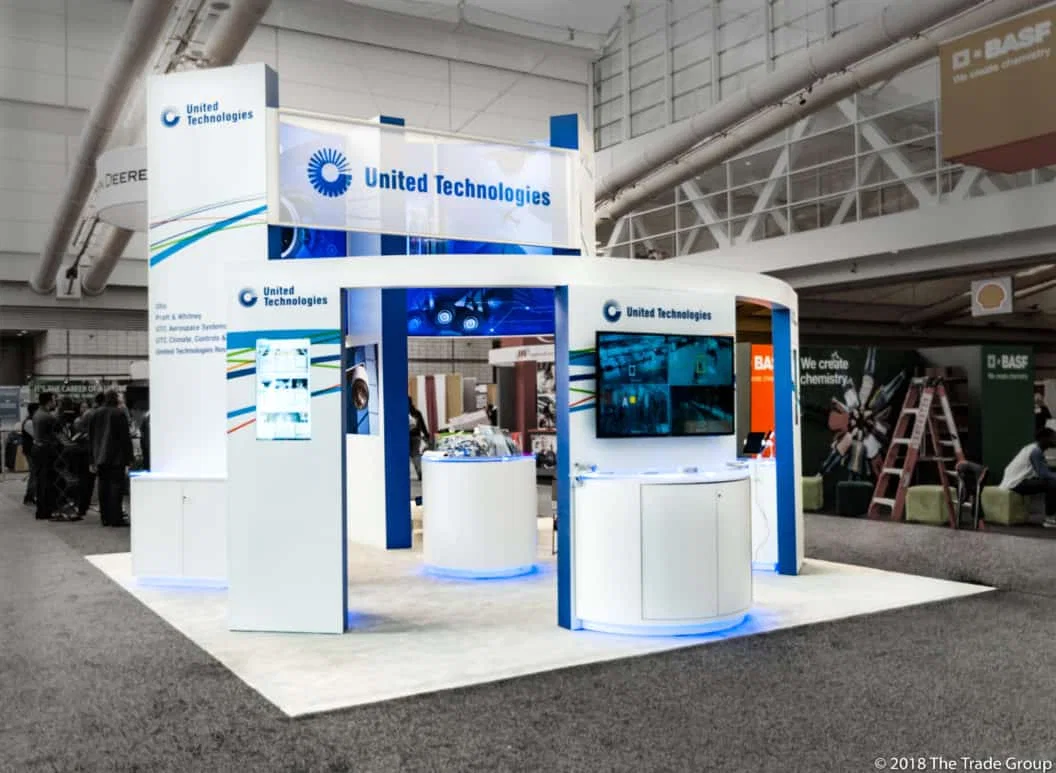
Strategic Benefits of Modular Booths for Tampa Trade Shows
- Scale smoothly from 10'x10' inline spaces in the Tampa Convention Center to 20'x20' islands at Florida State Fairgrounds' larger halls.
- Integrate directly with venue-provided electric, water, and compressed-air hook-ups without custom engineering.
- Achieve rapid setup in right-to-work Florida environments by confirming protocols via exhibitor manuals early.
- Support multi-venue rotations across downtown core, Westshore hotels, and east Tampa fairgrounds with portable components.
- Enhance visibility under 30-foot ceilings using stackable towers and modular LED lighting frames.
- Comply with fire safety and weight rules through lightweight fabrics and adjustable panel systems.
- Facilitate post-show reconfiguration for sponsor events at nearby Straz Center or Seminole Hard Rock receptions.
Adapting Modular Frameworks to Tampa Convention Center Specifications
The Tampa Convention Center's 200,000-square-foot exhibit hall, capable of hosting up to 1,000 10'x10' booths, demands exhibit designs that maximize footprint efficiency while connecting to on-floor utilities like electric outlets, water lines, and compressed-air ports listed in Visit Tampa Bay's facility description. The booths meet these needs through extruded aluminum frames with snap-fit connectors that form 10'x20' linear setups or 20'x20' islands, allowing exhibitors to position power strips and fluid hook-ups precisely without drilling into hall flooring. Planners must review the venue's show offices and cafe placements to optimize traffic flow, ensuring modular counters and backwalls direct attendees toward demo zones amid the hall's high-volume configurations.
During transitions from 3,600-capacity theater setups or 2,080-banquet ballrooms, modular booths disassemble into compact crates under 500 pounds each, enabling swift relocation via waterfront load-in ramps. This modularity supports Tampa's convention programming, where exhibit activations follow keynote sessions, and frames with integrated cable management prevent tripping hazards while powering interactive kiosks or video walls under the 30-foot ceilings. Early coordination with the official service contractor confirms compliance, as Florida's right-to-work status permits flexible labor arrangements once venue rules are cleared.
- Frame heights adjustable from 8 to 16 feet for optimal sightlines.
- Pre-wired modules for 110V/20A power draws matching hall standards.
- Locking casters for smooth repositioning during show adjustments.
Modular Configurations for Florida State Fairgrounds Versatility
Florida State Fairgrounds offers planners Expo Hall, TECO Arena, Entertainment Hall, equestrian rings, and outdoor spaces from 5,000 to 87,000 square feet, per the venues section, requiring booth systems that handle diverse surfaces and sightlines without permanent anchors. The booths deploy via base plates and tension cables that stabilize on concrete arena floors or grassy outdoor pads, with panelized graphics swapping for event themes like consumer expos or livestock-adjacent trade gatherings. The fairgrounds' event rentals workflow emphasizes venue-managed planning, so exhibitors align modular footprints early to avoid conflicts with catering zones or promoter portals.
These booths shine in multi-hall rotations, such as morning TECO Arena sessions flowing into Expo Hall networking, where interlocking segments expand from 10'x10' perimeter units to 30'x30' central displays. Component reusability cuts logistics costs for Tampa's east-side corridor events, and fabric SEG (silicone edge graphics) withstand humidity fluctuations common in open-air transitions, maintaining crisp branding. Confirmation through the fairgrounds' FAQ and rentals sections ensures modular weights stay under per-booth limits, supporting Florida's open-market labor for efficient installs.
- Interchangeable end caps for linear-to-peninsula shifts.
- Modular shelving tiers for heavy product demos up to 300 lbs.
- UV-resistant fabrics for extended outdoor exposure.
Utility Integration and Power Management in Modular Designs
Tampa venues like the Convention Center provide electric, water, and compressed-air infrastructure directly in exhibit spaces, as noted in planning resources, making modular booths ideal for exhibitors plugging into these without custom runs. Frames incorporate grommeted channels for 20A circuits feeding LED strips, monitors, and charging stations, while base pods house water hook-ups for beverage demos or air lines for pneumatic tools, all positioned to match hall grids. This plug-and-play approach minimizes setup time in right-to-work Florida, where labor teams verify connections per exhibitor manual specs.
For larger modular arrays at Florida State Fairgrounds' 87,000-square-foot halls, distributed power hubs prevent overloads across 40'x40' configurations, with surge protectors and GFCI outlets standard in booth kits. Planners coordinate via Visit Tampa Bay's RFP tools to spec utilities matching show demands, ensuring smooth operation during peak hours when cafes and show offices see heavy traffic. Modular flexibility allows resizing cable trays post-utility confirmation, adapting to compressed-air needs for manufacturing demos or water for culinary activations.
- Multi-outlet pods rated for 5kW loads.
- Quick-disconnect fittings for air and water.
- Integrated UPS backups for digital displays.
Labor Coordination in Florida's Right-to-Work Environment
Florida's right-to-work status, enshrined in the state constitution, establishes an open-market baseline for trade show labor, though Tampa venues mandate coordination with house services, official contractors, and organizers for final conditions. The booths streamline this by requiring minimal crew—typically two to four for a 20'x20' setup—using lever locks and magnetic connectors that reduce tool needs and training time. Exhibitors confirm protocols via venue manuals, aligning installs around Tampa Convention Center's utility hook-ups or fairgrounds' catering workflows without assuming unrestricted access.
This environment favors modular systems' speed, as crews reconfigure panels in under four hours for downtown core events, transitioning from Water Street hotel overflows to Channel District activations. Visit Tampa Bay's meetings hub guides early RFP submissions for labor clarity, preventing delays in exhibit hall openings. Booths' lightweight crates, often under 100 pounds per module, ease handling in non-union settings once cleared, supporting multi-show exhibitors across Westshore and east Tampa.
- Tool-free assembly cuts crew hours by 50%.
- Pre-labeled components for error-free setups.
- Modular training kits for venue-specific compliance.
Reconfigurability Across Tampa Venue Clusters
Tampa's venue clusters—from downtown's Tampa Convention Center and Water Street hotels to Westshore's airport-adjacent properties and east Tampa's fairgrounds—benefit from modular booths' ability to shift from 10'x20' inlines to double-deck hybrids. In the convention core, frames stack for Harbour Island receptions post-exhibit, while Rocky Point conferences use perimeter modules around breakout rooms. Florida State Fairgrounds' range accommodates outdoor expansions with wind-rated bases, retooling for Ybor City cultural tie-ins or South Tampa sponsor dinners.
Reconfiguration hinges on core-frame universality, swapping 8-foot walls for 16-foot towers under 30-foot ceilings, and integrating with Straz Center galas via portable counters. Planners leverage Visit Tampa Bay's facilities search for cluster matching, ensuring mods fit 600,000-square-foot complexes or 95,000-square-foot resorts like Saddlebrook north of town. This adaptability navigates load-in variances, from waterfront docks to fairgrounds side entries, with crates stacking efficiently for regional hauls.
- Universal connectors for 10'x10' to 40'x40' scales.
- Graphic swap kits for cluster-specific branding.
- Stackable towers for vertical emphasis in halls.
Sustainability and Long-Term Value in Modular Exhibits
The booths promote reusability across Tampa's annual calendar, from convention center nationals to fairgrounds consumer events, reducing waste through recyclable aluminum and fabric components. Exhibitors re-skin graphics for each show while retaining frames, aligning with venue sustainability pushes in RFP responses via Visit Tampa Bay. In the 200,000-square-foot hall, this means consistent investment yielding 10x ROI over custom builds, with mods enduring multiple installs in Florida's humid climate via powder-coated finishes.
Longevity extends to venue transitions, like Tampa Museum of Art receptions or Seminole Hard Rock buyouts, where lightweight panels ship flat-packed. Right-to-work labor efficiencies amplify savings, as smaller teams maintain booths over seasons. Planners track component inventories for fairgrounds' large footprints, ensuring compliance with weight rules while minimizing landfill impact from single-use displays.
- 95% recyclable materials standard.
- Reusable for 50+ shows with maintenance.
- Eco-fabric options for LEED-aligned events.
Frequently Asked Questions About Modular Trade Show Booths in Tampa
Q: How do modular booths fit Tampa Convention Center exhibit hall specs?
Modular systems configure to 10'x10' standards in the 200,000-square-foot hall supporting 1,000 booths, with frames aligning to utility grids for electric, water, and air hook-ups under 30-foot ceilings. Review exhibitor manuals for exact placements.
Q: What makes modular booths suitable for Florida State Fairgrounds?
Their adjustable bases and panels adapt to halls from 5,000 to 87,000 square feet, stabilizing on varied floors for Expo Hall or outdoor use, coordinated via event rentals workflows.
Q: How does Florida's labor environment affect modular setups?
As a right-to-work state, it allows flexible crews once venue house services and organizer rules are confirmed, favoring quick-assembly mods that minimize on-floor time.
Q: Can modular booths handle multi-venue Tampa schedules?
Yes, portable crates enable shifts from downtown convention core to Westshore or east fairgrounds, reconfiguring sizes without new builds.
Q: What utilities do modular booths support at Tampa venues?
They integrate with provided electric (20A+), water, and compressed-air, using built-in management for demos in convention center or fairgrounds spaces.
Q: Are modular booths cost-effective for Tampa exhibitors?
Reusability across events like those at Straz Center or Saddlebrook cuts expenses, with frames lasting seasons amid coordinated labor and logistics.