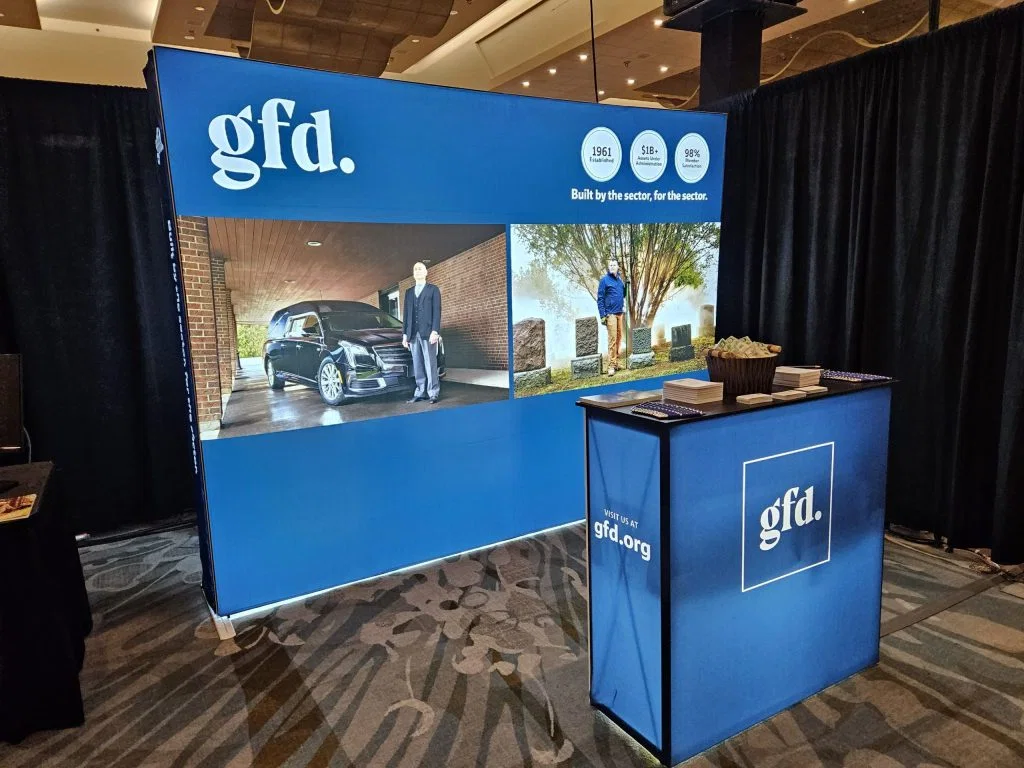
Strategic Advantages of Portable Displays for Tampa Exhibitors
- Rapid setup aligns with tight Tampa Convention Center move-in schedules for shows filling 200,000 square feet with 1,000 booths.
- Lightweight construction eases transport across venue clusters like downtown to Westshore or east Tampa fairgrounds.
- Utility-ready designs connect directly to hall-provided electric, water, and compressed-air services.
- Modular scalability fits 10x10 inline spaces or expanded islands within fairgrounds' 87,000-square-foot halls.
- Cost-effective for frequent Tampa-area rotations without custom fabrication lead times.
- Durable fabrics and frames withstand humid Florida conditions during multi-venue tours.
- Enhanced portability supports right-to-work labor flexibility with minimal crew needs.
Venue Compatibility in Tampa's Key Facilities
The Tampa Convention Center stands as the market's flagship with 600,000 square feet of meeting and event space, where its 200,000-square-foot exhibit hall routinely configures for up to 1,000 10x10 booths, making portable displays a staple for inline exhibitors seeking quick footprint claims. These systems integrate effortlessly into the hall's infrastructure, which includes electric, water, and compressed-air hook-ups distributed across the floor, allowing portable units with integrated lighting or interactive elements to power up without extensive modifications. Planners coordinating for downtown waterfront shows must map booth assignments against show office proximity and cafe placements to maximize foot traffic flow around portable graphics.
At the Florida State Fairgrounds, the displays adapt to a range of indoor and outdoor venues spanning 5,000 to 87,000 square feet, such as the Expo Hall or TECO Arena, where flexible layouts demand setups that assemble in under an hour. This east Tampa campus suits consumer expos and large-footprint events, with portables providing stability on equestrian-adjacent grounds or entertainment halls without permanent anchoring. Early review of the fairgrounds' event rentals workflow ensures alignment with venue-managed catering and promoter portals, preventing conflicts in space transitions from ballrooms to exhibit areas.
- Confirm hall diagrams for 10x10 compatibility in Tampa Convention Center's 30-foot ceiling height.
- Leverage fairgrounds' multi-hall options for phased portable deployments across 87,000 square feet.
Logistics for Setup and Teardown
Tampa's venue clusters—from the Channel District and Harbour Island near the convention center to Westshore and Rocky Point hotels—present varied load-in realities, where portable displays' wheeled cases and segmented frames streamline dolly transport through waterfront docks or airport-adjacent bays. At the convention center, exhibitors benefit from structured move-in windows that favor systems erecting in 30-45 minutes, preserving labor hours under Florida's right-to-work provisions while adhering to official service contractor guidelines. Teardown efficiency similarly accelerates outbound logistics, enabling same-day truck loading for transfers to Ybor City off-sites or South Tampa conferences.
For fairgrounds events, portable setups navigate expansive parking and outdoor access points, collapsing into compact storage that fits standard vans for runs between Plant City and Riverview hotels. Coordination with show organizers remains critical, as venue FAQs outline sequences for utilities disconnection and floor sweeps, ensuring portables exit without delaying subsequent programming in spaces like the Entertainment Hall.
Integrating Utilities and Power Needs
The displays in Tampa must account for the convention center's distributed utilities, including electric outlets positioned for booth rows and compressed-air lines supporting pneumatic elements in pop-up mechanisms. Exhibitors planning for the 200,000-square-foot hall order power early via the venue's service desk, pairing portable LED lights or charging stations with house feeds rated for standard show loads, thus avoiding overloads in high-density 1,000-booth configurations. Water hook-ups prove useful for demo stations within portable perimeters, enhancing interactive exhibits without custom plumbing.
Florida State Fairgrounds venues vary in utility density, but portables' low-draw requirements—often battery-supplemented—align with expo hall basics, freeing organizers to focus on arena-scale AV rather than booth-specific infrastructure. Right-to-work labor allows exhibitors to handle connections post-venue inspection, but manuals dictate sequencing to protect shared lines across 87,000-square-foot footprints.
- Pre-order 20-amp circuits for convention center portables with multimedia integration.
- Battery backups ensure fairgrounds outdoor demos run uninterrupted during peak hours.
Transportation Across Tampa Venue Clusters
Navigating Tampa's geography—from downtown's Water Street hotels to east-side fairgrounds—portable displays' pack-flat design fits cargo vans or U-Haul trailers, bypassing heavy-lift needs for interstate hauls along I-4 or I-275. Convention center exhibitors stage from Harbour Island lots, wheeling cases through covered docks to inline spaces, while Westshore programs at airport hotels use short-haul airport proximity for pre-show storage. This modularity supports rotations between Straz Center receptions and museum off-sites like Tampa Museum of Art, where compact footprints suit 3,600-theater-capacity adjunct events.
Fairgrounds logistics favor portables for Brandon-area pickups, with outdoor spaces accommodating drive-up unloading before indoor hall transfers. Planners leverage Visit Tampa Bay's facilities search to plot routes, timing arrivals around peak traffic from South Tampa's Hyde Park or SoHo districts.
Labor Coordination in Florida's Right-to-Work Environment
Florida's constitutional right-to-work status enables exhibitors to assemble the displays using preferred crews, provided they clear venue and show-organizer protocols at facilities like the Tampa Convention Center. Early exhibitor manual reviews detail house services—such as the hall's four cafes and two show offices—alongside labor windows for setup, where portables' tool-free construction minimizes crew size to two or three for 10x10 units. This flexibility proves vital in coordinating around official contractors for utilities in the 200,000-square-foot space.
At the fairgrounds, event rentals navigation emphasizes venue workflows, allowing portable erectors to operate post-catering alignments in TECO Arena or Expo Hall. No verified union mandates appear in public sections for Saddlebrook or Seminole Hard Rock meetings, reinforcing open-market defaults but underscoring the need for event-specific confirmations.
- Schedule crews after venue walkthroughs for 30-foot ceiling compliance.
- Document labor plans in RFP responses via Visit Tampa Bay's planner hub.
Design Optimization for Tampa Shows
Portable displays for Tampa capitalize on bold, wrinkle-resistant tension fabrics that pop under convention center lighting, drawing eyes in 1,000-booth seas while SEG frames allow graphic swaps for multi-show seasons. High-resolution prints highlight brand messaging visible from 36,000-square-foot ballrooms transitioning to exhibit floors, with curved pop-ups defining aisles in fairgrounds' 87,000-square-foot halls. Humidity-resistant materials ensure longevity across venue clusters, from waterfront humidity to inland expo conditions.
Modular add-ons like brochure holders or tablet mounts enhance engagement without exceeding 10x10 bounds, syncing with compressed-air demos at utility-ready spots. Planners test sightlines against Tampa's diverse attendee flows, from Westshore sales kickoffs to Ybor consumer events.
- Incorporate QR codes linking to digital assets for Straz Center hybrid tie-ins.
- Use matte finishes to counter fairgrounds' ambient glare.
Budgeting and Scalability Factors
The displays deliver ROI in Tampa through upfront costs under $5,000 for full 10x10 kits, amortizing across convention center runs and fairgrounds expos without rental premiums. Scalability—from single roll-ups at Seminole Hard Rock hospitality suites to linked islands in 200,000-square-foot halls—adapts to booth upgrades via add-on towers, preserving budgets amid utility orders and labor coordination. Longevity spans multiple years, offsetting Tampa's frequent programming cycles.
ROI tracking focuses on lead capture rates boosted by portable interactivity, benchmarked against venue capacities like 2,080-banquet or 3,600-theater setups feeding exhibit traffic.
Portable Trade Show Displays FAQs for Tampa Events
Q: How do portable displays fit Tampa Convention Center booth specs?
They align perfectly with 10x10 footprints in the 200,000-square-foot hall supporting 1,000 units, integrating with electric, water, and air utilities under 30-foot ceilings.
Q: What labor rules apply for setup at Florida State Fairgrounds?
As a right-to-work state, Florida allows flexible crews, but coordinate via event rentals and exhibitor manuals for venue-managed spaces up to 87,000 square feet.
Q: Can portables handle transitions between Tampa venue clusters?
Yes, lightweight cases enable quick moves from downtown convention core to Westshore hotels or east fairgrounds via standard transport.
Q: Are utilities pre-planned for portable exhibits?
Convention center halls provide hook-ups; order early through show services to power lights and demos without conflicts.
Q: How to ensure durability in Tampa's climate?
Select tension fabrics and aluminum frames resistant to humidity, tested for multi-venue use across waterfront and inland sites.
Q: What scalability options exist for larger spaces?
Modular linking expands 10x10 bases into islands, suiting fairgrounds halls or convention expansions.