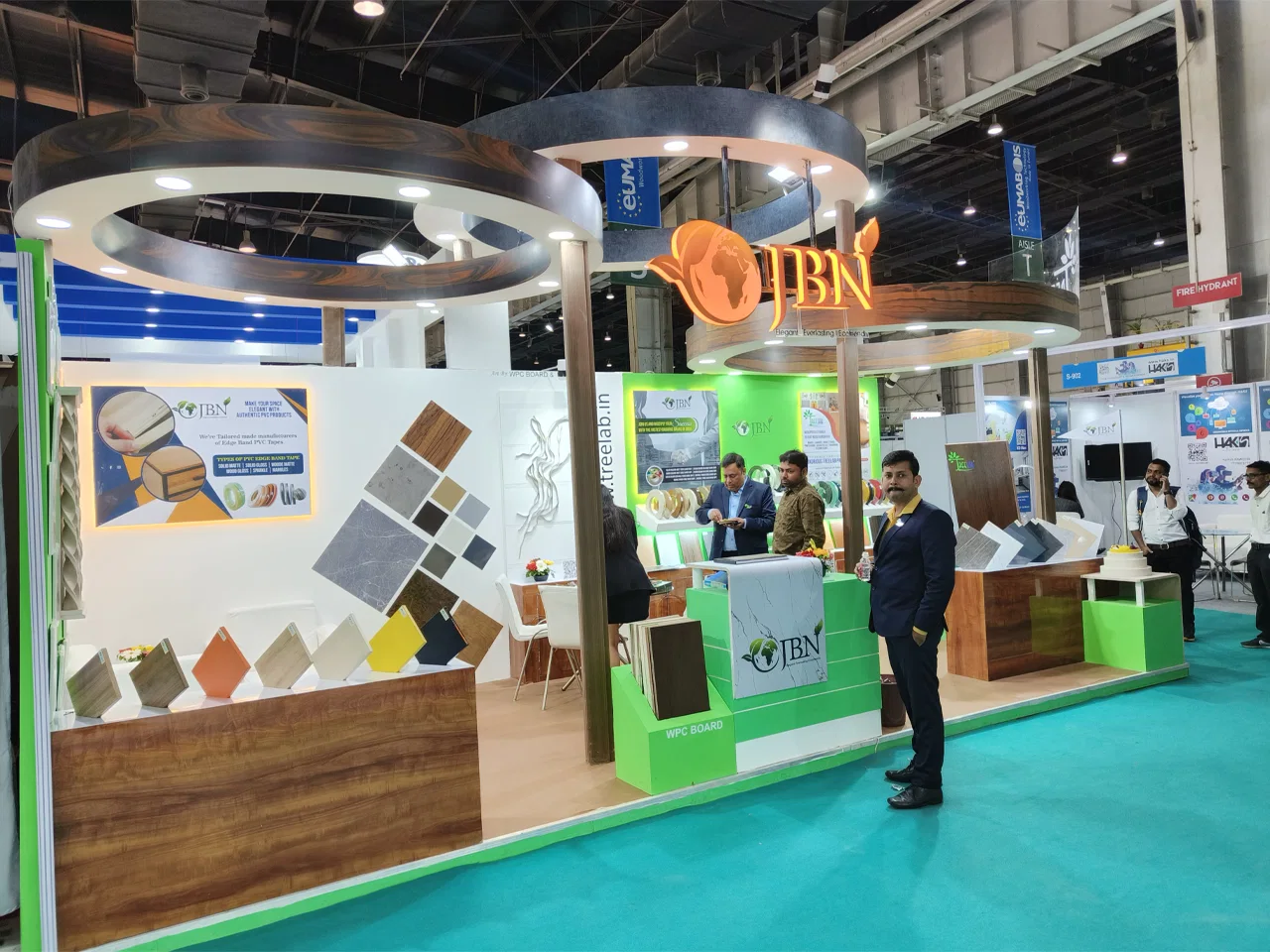
Essential Elements of Effective Tampa Roadshows
- Strategic venue matching to roadshow scale, from convention hall demos to hotel ballroom pitches.
- Advance coordination with Visit Tampa Bay for RFP submission and facility mapping.
- Venue-specific utility planning, including Tampa Convention Center's in-hall electric, water, and air provisions.
- Labor alignment under Florida's right-to-work framework with venue and organizer rules.
- Logistics optimization across downtown, Westshore airport proximity, and east-side fairgrounds corridors.
- Integration of hospitality options like Seminole Hard Rock Hotel & Casino Tampa for post-presentation networking.
- Timeline management for multi-stop continuity, emphasizing load-in realities at waterfront and airport venues.
Roadshow Venue Landscapes in Tampa Bay
Tampa's venue clusters shape roadshow execution, with the Downtown, Water Street, and Channel District core led by the Tampa Convention Center's massive 600,000 square feet of total space, including a 200,000-square-foot exhibit hall that supports extensive booth arrays for product roadshows or investor gatherings. This waterfront facility's 30-foot ceiling heights and 36,000-square-foot largest contiguous room enable theater-style presentations for up to 3,600 attendees or banquets seating 2,080, making it ideal for high-impact stops where visual demos require substantial floor area and integrated utilities like compressed air for machinery displays.
Westshore, Rocky Point, and South Tampa host conference hotels optimized for roadshow brevity, drawing on airport adjacency for quick turnarounds in sales kickoffs or executive roadshows, while the East Tampa fairgrounds corridor via Florida State Fairgrounds offers non-convention alternatives with spaces up to 87,000 square feet in flexible halls and outdoor zones, accommodating roadshows that blend indoor exhibits with drive-in access for vehicle or equipment showcases.
Harbour Island, Ybor City, and Brandon extend options for thematic roadshows, tying into casino hospitality at Seminole Hard Rock Hotel & Casino Tampa's 800 guestrooms and gaming expanse for evening extensions, or cultural venues like Straz Center for the Performing Arts and Tampa Museum of Art for receptions following daytime pitches, all coordinated through Visit Tampa Bay's planner resources to match roadshow itineraries with regional capacity.
Logistics Planning for Multi-Stop Roadshows
Roadshow logistics in Tampa demand precise sequencing around venue load-in protocols, as the Tampa Convention Center provides two show offices and four in-hall cafes alongside utility hook-ups, necessitating early exhibitor manual reviews to schedule freight delivery, booth assembly, and power allocation for demo equipment across 200,000 square feet of exhibit space. Planners submit RFPs via Visit Tampa Bay's hub to secure these details, ensuring roadshow stops align with dock access and hall configurations that prevent bottlenecks during peak convention seasons.
Florida State Fairgrounds structures rentals through dedicated event portals linking venues, catering, and FAQs, directing roadshow teams to confirm parking for trucks, equestrian ring adaptations for outdoor demos, and transitions between TECO Arena and Expo Hall for sequential activations, while Westshore properties facilitate rapid setups in ballroom-to-exhibit shifts via airport corridors, minimizing dwell times for traveling programs.
Saddlebrook Resort's 95,000 square feet north of Tampa supplements roadshows with flexible indoor-outdoor flows, and east-side assets like Seminole Hard Rock integrate gaming and pool amenities for attendee retention post-presentation, all under workflows that prioritize organizer-approved timelines to maintain momentum across Tampa Bay stops.
- Confirm exhibit hall utilities early for electric-dependent roadshow tech.
- Map truck routes to waterfront docks or fairgrounds driveways.
- Schedule ballroom-to-hall transitions for hybrid hotel stops.
Labor Coordination in Florida's Open Market
As a right-to-work state per the Florida Constitution, Tampa supports open-market labor for roadshow installations without blanket union mandates, though venues enforce house services for core functions like Tampa Convention Center's utility provisions and floor operations, requiring exhibitor-appointed contractors to verify scopes via service manuals and organizer communications well in advance of load-in.
Florida State Fairgrounds channels planning through event rentals and promoter portals, indicating venue oversight on labor for large-scale spaces up to 87,000 square feet, where roadshow teams coordinate material handling and setup crews around catering and FAQ-guided protocols to avoid conflicts during multi-day occupations.
Conference hotels like those in Westshore or Seminole Hard Rock follow similar patterns, publishing meeting space details without restricting outside labor in public sections, allowing roadshow planners to assemble teams for booth builds, AV rigging, and teardowns while adhering to final conditions set by each venue's operations and event rules.
Tailoring Roadshows to Tampa Venue Types
Convention centers like Tampa Convention Center excel for scale-driven roadshows, utilizing 200,000 square feet to array modular booths for tech demos or pharmaceutical tours, with 30-foot ceilings accommodating hanging signage and theater setups for 3,600 in keynote segments, all supported by in-hall cafes and show offices for on-site coordination during extended stops.
Expo campuses such as Florida State Fairgrounds suit expansive roadshows with 5,000-to-87,000-square-foot options across indoor halls and outdoor rings, enabling vehicle unveilings or interactive zones that leverage equestrian access for logistics-heavy formats outside downtown constraints.
Conference hotels in Westshore and east-side resorts like Seminole Hard Rock with 800 rooms host compact roadshows in ballrooms, pairing pitches with spa, dining, and gaming for immersive experiences, while special venues including Straz Center and Tampa Museum of Art add prestige receptions amid Broadway-scale theaters or antiquities collections for investor or VIP roadshows.
- Scale booth counts to hall capacities like 1,000 booths max at TCC.
- Adapt demos to ceiling heights and utility grids.
- Layer hospitality for hotel-based stops.
Budget and Timeline Optimization Strategies
Roadshow budgets in Tampa factor venue RFP outcomes from Visit Tampa Bay, covering Tampa Convention Center hall rentals proportional to booth footprints within 200,000 square feet, utility hook-ups for power-intensive displays, and labor aligned to right-to-work flexibility minus house service carve-outs, with timelines compressing around airport proximity for Westshore stops versus fairgrounds' expansive lead times.
East-side fairgrounds budgeting includes space selections from Expo Hall to outdoor areas, coordinating catering portals and promoter access for cost efficiencies in consumer-facing roadshows, while downtown clusters demand premium for waterfront positioning near Water Street hotels, balanced by multi-stop amortizations across Tampa Bay.
Success metrics track attendee throughput against theater capacities like 3,600 at convention centers or banquet 2,080 setups, with post-event audits confirming utility usage, labor compliance, and ROI from integrated hospitality at assets like Seminole Hard Rock, ensuring subsequent roadshow legs refine Tampa-derived efficiencies.
Integrating Roadshows with Regional Ecosystems
Tampa roadshows interconnect with broader Tampa Bay demand via venue clusters spanning Hillsborough, Pinellas, Pasco, Polk, Manatee, and Sarasota counties, where downtown cores feed into Westshore overflows and fairgrounds logistics, supported by Visit Tampa Bay's facilities search for smooth RFP chains across stops.
Saddlebrook's 95,000 square feet and RP Funding Center options extend north and east, accommodating roadshow variances from resort buyouts to arena pitches, while Gulf-side properties like the Vinoy and Opal Sands inform hybrid formats blending Tampa stops with beachfront extensions for executive appeal.
Cultural anchors such as Straz Center's performance venues and Tampa Museum of Art's galleries enrich roadshows with off-site programming, coordinating riverfront transitions from convention halls to receptions that elevate investor or partner engagements without disrupting core timelines.
- Link RFPs across county lines for portfolio roadshows.
- Blend expo halls with resort amenities for extended stays.
- Position cultural venues for high-value networking add-ons.
Frequently Asked Questions About Tampa Roadshow Services
Q: What makes Tampa a strong roadshow destination?
Tampa's combination of the 600,000-square-foot Tampa Convention Center with 200,000-square-foot exhibit capabilities, Westshore airport hotels, and Florida State Fairgrounds' versatile 87,000-square-foot spaces positions it ideally for efficient multi-stop programs, supported by Visit Tampa Bay's planning hub.
Q: How does Florida's labor environment affect roadshows?
Florida's right-to-work status enables open-market labor, but venues like the convention center manage house services for utilities and floors, so confirm details through exhibitor manuals and organizers.
Q: Which venues suit different roadshow scales?
Large demos fit Tampa Convention Center's hall for 1,000 booths; compact pitches work in Westshore ballrooms; expansive formats use Fairgrounds halls and outdoors; hospitality extends via Seminole Hard Rock.
Q: What logistics should roadshow planners prioritize?
Early utility confirmation at venues with hook-ups, dock scheduling for waterfront or fairgrounds access, and RFP submission via Visit Tampa Bay to align with show offices and transitions.
Q: How to coordinate across Tampa's venue clusters?
Leverage downtown for scale, Westshore for speed, east-side for space, integrating hotels like Water Street or Hard Rock for accommodations and receptions per facilities search tools.
Q: What are typical timelines for Tampa roadshow setups?
Timelines vary by venue: convention centers need advance manual reviews for hall utilities; fairgrounds route through rentals portals; hotels enable quick turns via airport proximity.